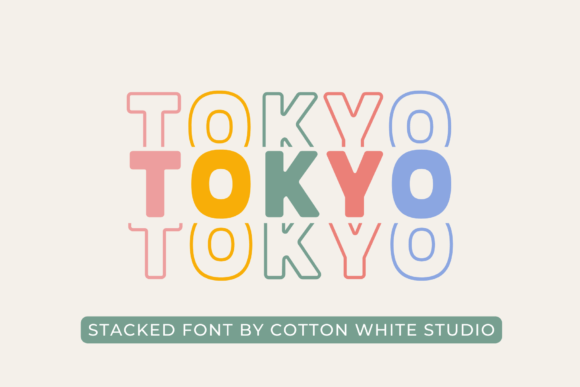
Tokyo: A Modern Font for Bold, Clean Design
Discovering a font that perfectly balances modern aesthetics with timeless clarity can transform your creative work. The Tokyo typeface, with its clean lines and minimalist design, immediately stands out as a powerful tool for designers seeking impact without clutter. Its bold style commands attention in headlines and short titles, while the subtle glow of its letterforms maintains a professional and sophisticated look, making it a versatile asset for a wide range of projects.
Tokyo is a contemporary display font, often falling into the sans serif or modern serif category, designed for maximum visual presence. It excels in situations where typography needs to make a strong first impression. Think of brand identity systems, where a logo must be both memorable and refined. Consider poster design or packaging that needs to pop on a shelf or screen. For social media graphics that scroll by in an instant, or the hero section of a web design, Tokyo provides the clarity and boldness needed to capture interest quickly.
Its design flexibility extends to numerous creative applications:
- Logo Design and Branding: Create distinctive wordmarks and brand identities that feel contemporary and confident.
- Editorial and Publication Design: Use it for magazine covers, chapter headings, or pull quotes to add a dynamic typographic element.
- Packaging and Merchandise: Ideal for product labels, apparel graphics, and any physical goods where a premium, modern font is essential.
- Digital Products and Advertising: Perfect for app interfaces, banner ads, and promotional materials that require high impact at various sizes.
- Invitations and Event Graphics: Set the tone for sophisticated events, launches, or digital invitations with its stylish character.
When considering Tokyo for your next project, a few practical tips can help you use it effectively. First, always test its readability in context. While it’s designed for display use, ensure the specific size and background color maintain legibility. Its minimalist nature means it often pairs well with a more neutral, readable sans serif font for body text, creating a balanced typographic hierarchy. Experiment with different font pairings to see what complements its bold style.
Second, review the available styles and weights. A robust typeface family might include multiple variations, giving you more creative control for emphasis and contrast. Finally, verify the license for your intended use, whether for personal projects, commercial client work, or large-scale distribution, to ensure you have the proper rights for your design assets.
Choosing the right typeface is a foundational decision in visual communication. A well-crafted font like Tokyo does more than just display words; it contributes to the mood, enhances visual consistency, and strengthens brand recognition. By integrating a premium font into your toolkit, you invest in the professional presentation of your work, ensuring your designs not only look polished but also communicate your intended message with clarity and style. Taking the time to select a font that aligns with your project’s vision is a simple yet powerful step toward creating more effective and memorable designs.